

Regarding shoes, we often think of leather, canvas, or rubber. These materials have been the tried-and-true staples of the footwear industry for decades. However, the world of footwear is evolving remarkably, and today, designers are pushing the boundaries of creativity by exploring a wide array of unconventional materials.
The shoe industry is transforming from eco-friendly options that reduce our carbon footprint to futuristic innovations that seem like they're straight out of a sci-fi movie. In this article, we'll take you on a journey through the top 10 unconventional shoe materials that are changing the game and making fashion more sustainable and exciting than ever before.
Imagine wearing shoes made from mushrooms. It might sound like something out of a sci-fi movie, but mushroom leather, also known as mycelium leather, is a reality. This innovative material is derived from the roots of mushrooms, making it both sustainable and cruelty-free. It's not only biodegradable but also incredibly durable.
Plus, it can be produced with minimal environmental impact. Brands like Stella McCartney have already started using mushroom leather for their shoe collections, proving that style and sustainability can go hand in hand.
With growing concerns about ocean plastic pollution, some shoe manufacturers are taking a stand. They're using recycled ocean plastic to create stylish and functional footwear.
Companies like Adidas have released shoes made from reclaimed ocean plastic, contributing to the cleanup efforts while providing comfortable and fashionable options for consumers. By choosing these shoes, you're stepping up your fashion game and helping protect our seas.
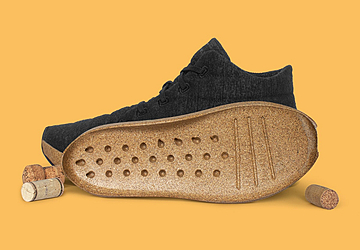
Cork isn't just for sealing wine bottles; it's also a remarkable shoe material. Cork comes from the bark of cork oak trees, and harvesting it doesn't harm the tree. This sustainable material is not only lightweight but also shock-absorbent and naturally insulating.
Cork shoes are comfortable and eco-friendly, making them a fantastic choice for those looking to positively impact the environment while keeping their feet cozy.
Algae foam might not be the first thing that comes to mind when you think of shoe materials, but it's gaining traction for its sustainability and comfort. Brands like Vivobarefoot use algae-based foams to create cushioned insoles and midsoles for their shoes.
These foams are renewable and biodegradable, making them an excellent choice for environmentally conscious consumers who want comfortable and supportive shoes.
Piñatex is a fabric made from the fibers of pineapple leaves, providing a sustainable alternative to traditional leather. This material is not only cruelty-free but also helps reduce agricultural waste.
7Piñatex is not just about being eco-friendly; it's also durable and lightweight, making it an ideal choice for footwear. Brands like Hugo Boss and Puma have embraced Piñatex in their designs, proving that fashion can be innovative and sustainable.
Bamboo isn't just for pandas; it's also an excellent choice for making shoes. Bamboo is a fast-growing plant that requires little water and no pesticides to thrive. It's incredibly strong and lightweight, making it an excellent choice for shoe soles and uppers. Bamboo shoes are eco-friendly but also breathable and comfortable, making them a great option for hot summer days.
Wool shoes might remind you of cozy winter socks, but wool also creates stylish and breathable footwear. Wool is a natural, renewable, and biodegradable material with excellent insulation and moisture-wicking properties. Brands like Allbirds have gained popularity for their wool sneakers, proving they can be comfortable and fashionable.
Hemp has been used for centuries for its versatility, and now it's making its way into the world of footwear. Hemp shoes are lightweight, breathable, and incredibly durable. They're also eco-friendly, as hemp requires minimal water and no pesticides. Brands like Toms are incorporating hemp into their shoe designs, showcasing its potential as a sustainable shoe material.
Tyvek might sound like a construction material, and that's because it is. Originally used for building insulation, Tyvek is now finding its way into the fashion world. This synthetic material is lightweight, water-resistant, and tear-resistant. It's often used to create unique and stylish shoe designs. Tyvek shoes are functional and a conversation starter, as people are often surprised by their unconventional material.
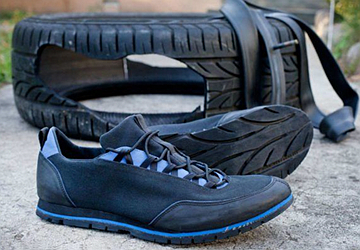
Upcycled materials are all about giving new life to old items. Some shoe designers take this concept to heart by creating footwear from upcycled materials like old car tires, denim, and discarded plastic bottles. These shoes reduce waste and offer a distinctive and edgy style. Plus, they remind us of recycling and reusing materials daily.
Opting for unconventional shoe materials offers several compelling advantages:
Sustainability: Many of these materials, such as mushroom leather, recycled ocean plastic, and bamboo, are far more eco-friendly than their traditional counterparts. Opting for shoes made from these materials reduces your environmental footprint and contributes to a more sustainable future.
Durability: Unconventional materials are often chosen for their durability. For example, mushroom leather is known for its long-lasting quality, and shoes made from recycled ocean plastic are designed to withstand the elements. This means that your footwear investment will serve you well for years.
Comfort: Comfort is paramount for shoes; these materials don't skimp on it. Wool, cork, and algae foam provide natural cushioning and breathability, ensuring your feet stay comfortable even during long days on your feet.
The world of footwear is evolving, and these unconventional materials are leading the way in innovation and sustainability. From mushroom leather to recycled ocean plastic, these materials offer unique styles and a chance to positively impact the environment.
So, why stick to traditional shoe materials when you can step into the future with these exciting and eco-friendly options? The choice is yours, and it's time to put your best foot forward in style and sustainability.